Dialogue Details
Interprovincial Relation and Cooperation on Agriculture Sector
Interprovincial Relation and Cooperation on Agriculture Sector
April 12, 2026
Lalitpur
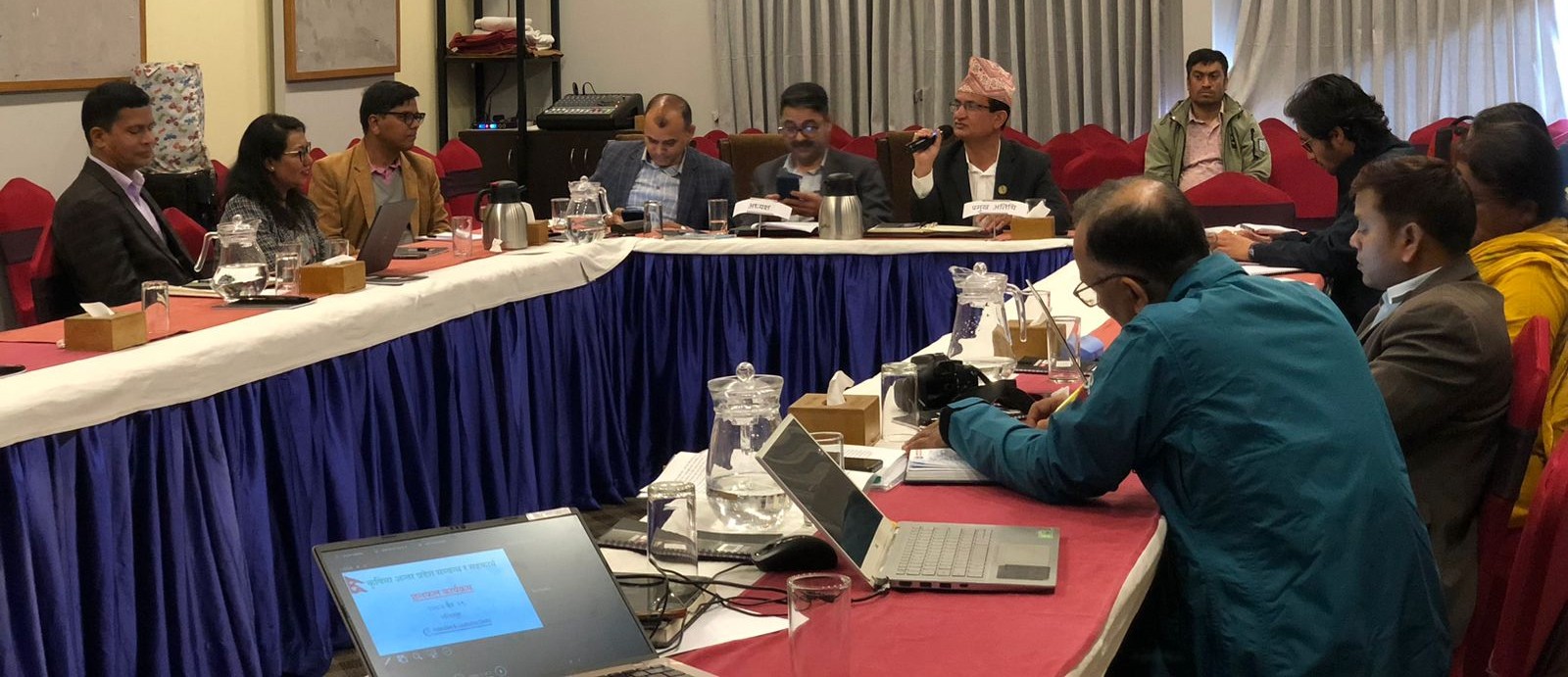
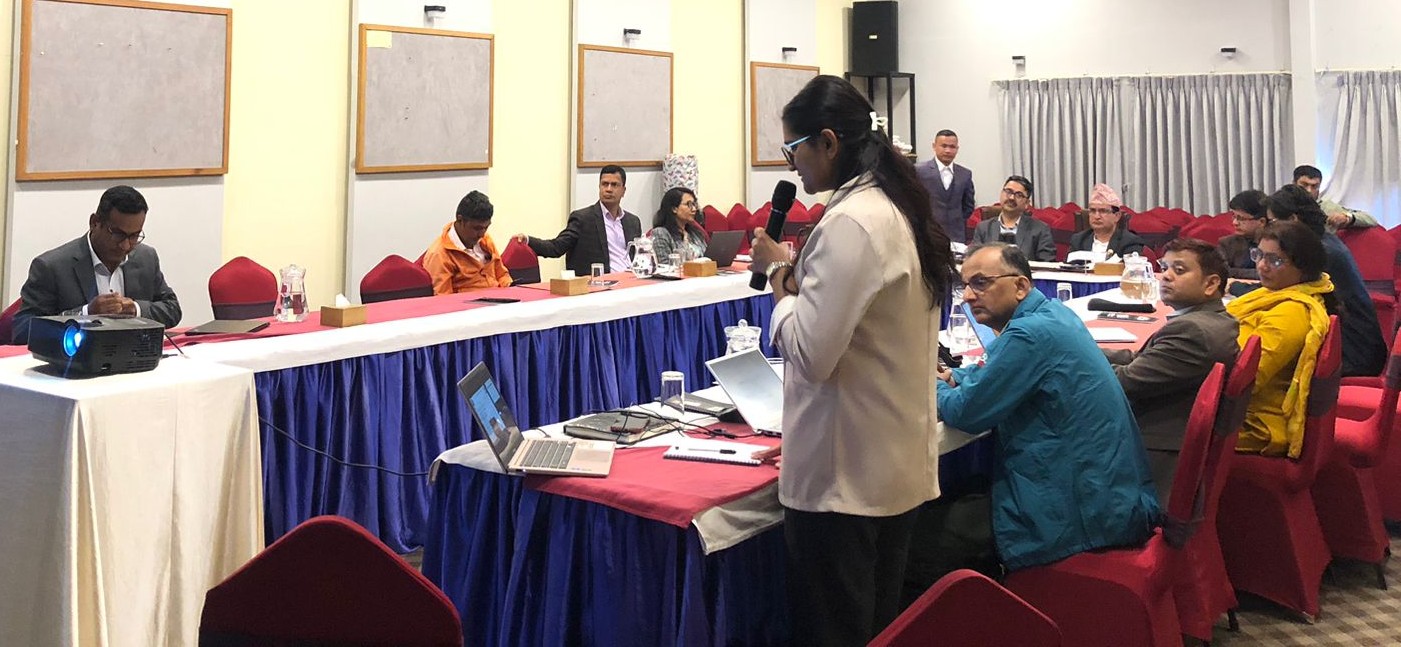
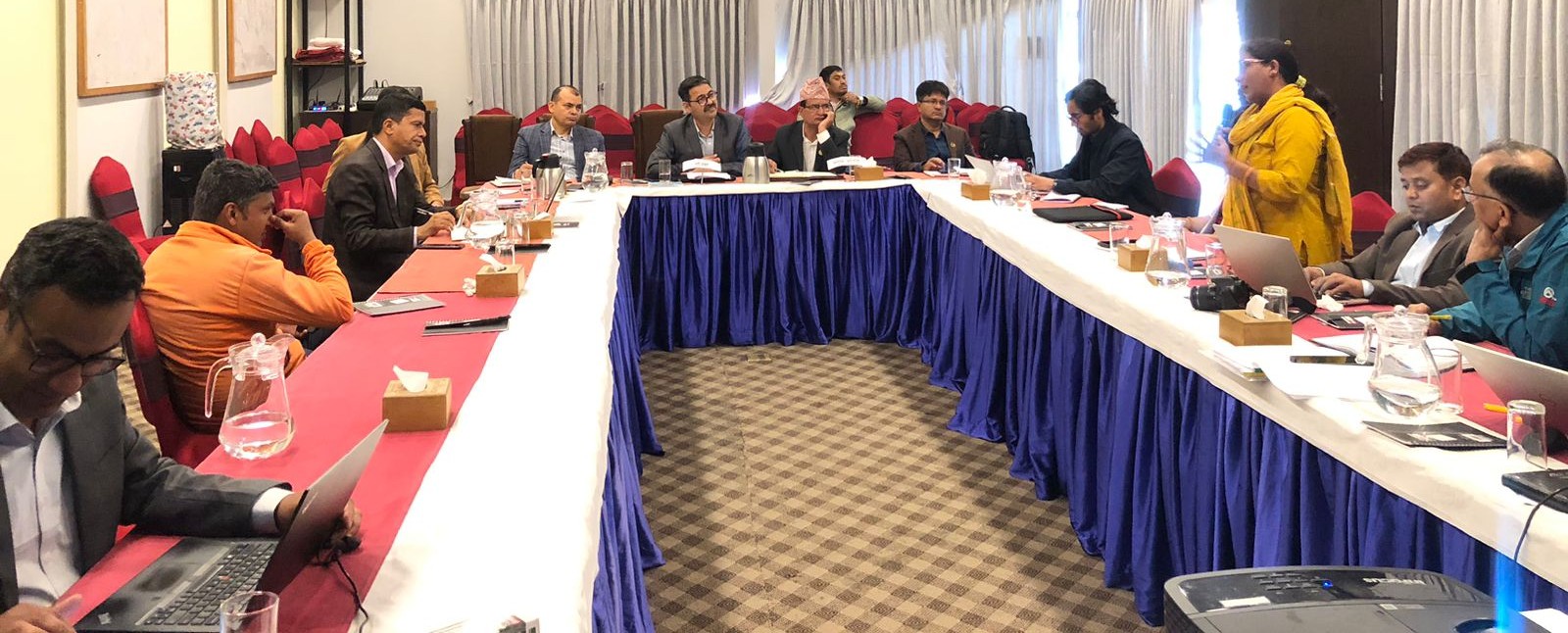
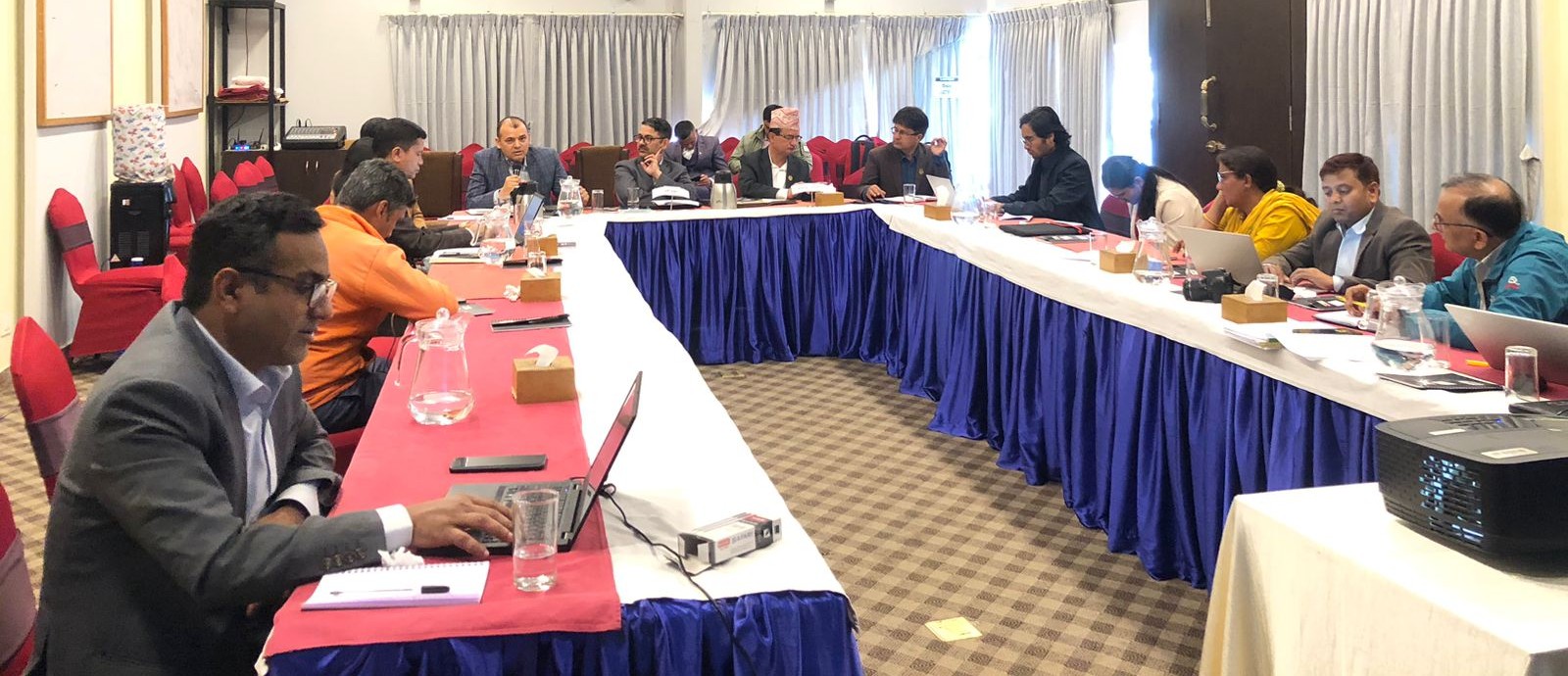
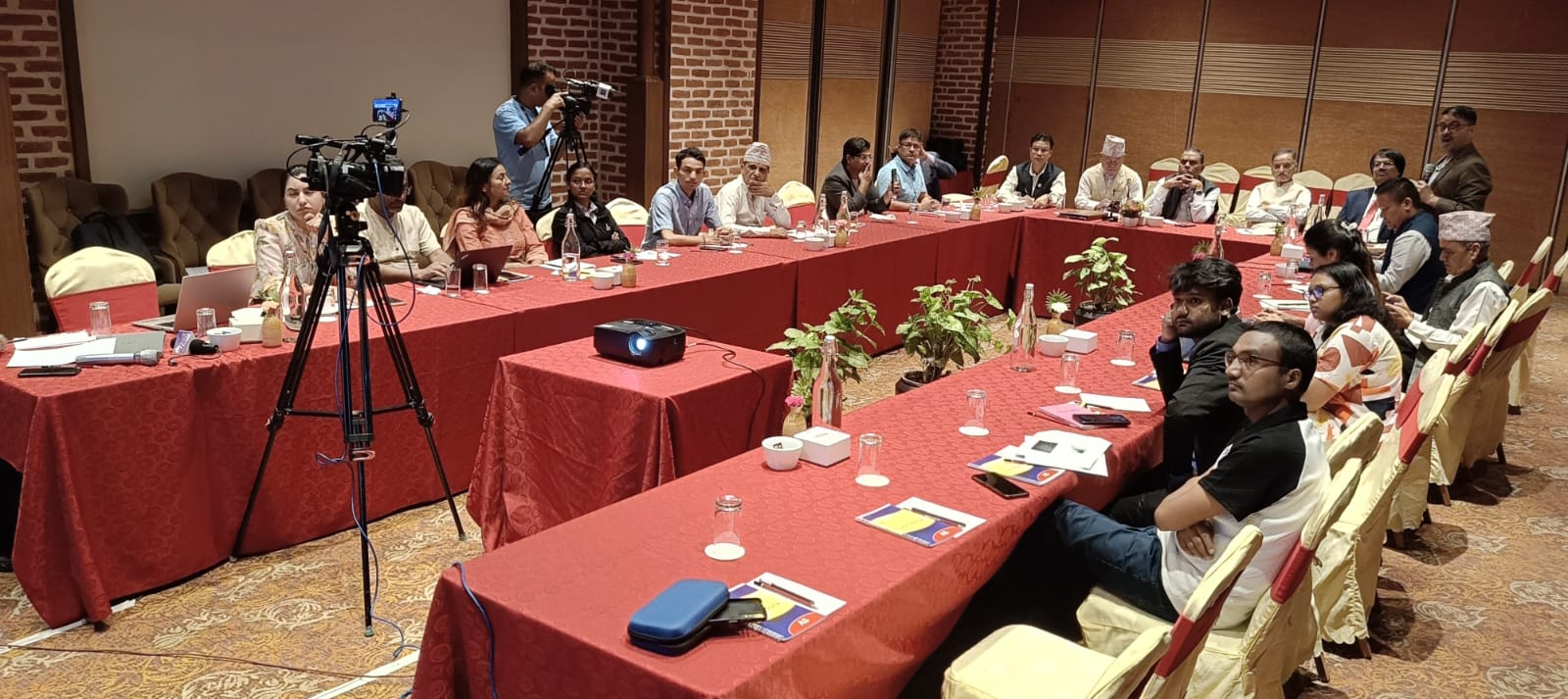
Federalism and Localisation Center (FLC) organized an event entitled Interprovincial Relation and Cooperation in Agriculture Sector. The event brought together representatives from province Ministry of Land Management, Agriculture and Cooperatives and researchers. Dr. Khim Lal Devkota, Chair of FLC presided over the program and presented a paper highlighting the significance of interprovincial learning and cooperation in agriculture sector. This paper has drawn insights from a study on the best practices at the provincial level I four sectors including agriculture. The participants discussed various aspects of agriculture sector – achievements, challenges and opportunities of cooperation among provinces. Most importantly they shared province specific examples of achievements and challenges as potential areas of learning and sharing.
Honorable Madhusudan Poudel, Agriculture and Livestock Development Minister of Bagmati Province, was the chief guest of the event. In his remarks he appreciated the achievements of provinces in agriculture sector. He emphasized, “local employment is critical, yet Nepal faces the challenge of cheap cross-border products undercutting high cost domestic agricultural production. While Bagmati Province has banned plastic flowers and runs a cold store, the federal government continues to buy milk from India despite an existing local powder plant. To address these issues, the federal government should subsidize the electricity bills of cold store and prioritize preserving and utilizing national production.”
Ms. Manjari Shakya Bajracharya, Deputy Mayor of Lalitpur Metropolitan City highlighted, “agricultural land and production are decreasing while consumption is rising, yet many developed countries are prioritizing agriculture - unlike Nepal, which was once agriculturally self-sufficient and had industry-independent municipalities like Lalitpur. We must take integrated data seriously, reduce legal hurdles, protect agricultural land, stop using fertilizers that developed countries discard, and genuinely prioritize the agriculture sector.”
Mr. Keshav Devkota, Joint Secretary of the Agriculture and Livestock Development Ministry of Nepal Government stated “roughly 60% of the budget is spent on fertilizer, while development work is mandated at provincial and local levels with only coordination from the federal government as per the constitution. However, some programs are merely copied from federal plans without context-specific customization, and the overall challenge is one of decreasing resources paired with an increasing number of institutions.”
Mr. Hari Prasad Pandit, Senior Agriculture-Economic Expert and Planning Department Head of Lumbini Province shared that despite agriculture being a priority, Lumbini Province has only 38% staff recruitment of the total required staffs. The provinces receive less than 9% of the total budget, while the federal government spends heavily on fertilizer in agriculture sector. Investment in agriculture has declined by 3.46% this year, with uneven provincial allocations. The absence of a federal agriculture act has stalled provincial and local legislation, caused audit biases and forced Lumbini to seek a grant act instead. The lack of expertise also causes problems. For example, in Lumbini province a cold store built for orange failed as the cold store was suitable for potatoes only and resultantly the product kept rotting for three years. Also, given the huge electricity bills the farmers are not willing to use the cold store which requires 100% electricity subsidy.
Mr. Arjun Dev Jnagwali, Agriculture Extension Officer, Ministry of Land Management, Agriculture and Cooperative Development of Gandaki Province Government opined that the technical staffs are acting as administrative. The Gandaki Province has just the knowledge center program.
Ms. Jharna Panthi, Chief of Agriculture Development Department of Bagmati Province presented a paper in which she indicated the province has surplus vegetable and fruit production but a deficiency in grains and pulses. To address this, the province has passed a fertilizer act, entered the second period plan, and run programs emphasizing agriculture as prestigious, including district-level clustering, one ward one production, soil improvement, and a per-student research grant of NPR 100,000. Meanwhile, the DDC milk powder plant is on operation In Bagmati Province only 3 out of 10 cold stores are functioning because of several technical issues.
Mr. Prahlad Lamichchane gave welcome and opening remarks and Mr. Krishna Kumar Sah hosted the program.
Dialogue List
-
FLC Chairperson Delivers Prese...
2026-09-12
-
Federalism Awareness and Youth...
2026-08-25
-
Strengthening Federalism Throu...
2026-08-23
-

Federalism: Constitutional Ame...
2026-08-21
-
Province Structure in the Impl...
2026-06-30