Dialogue Details
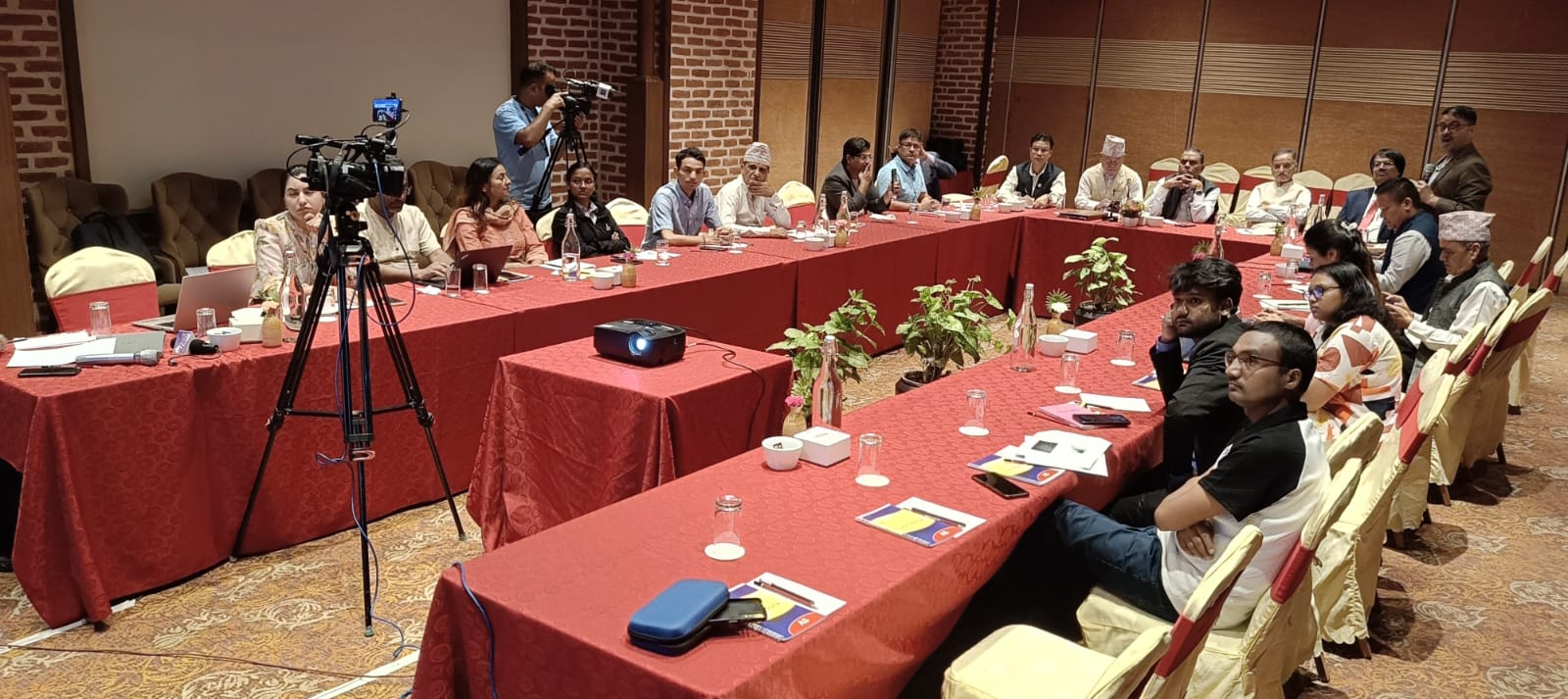
Province Structure in the Implementation of Federalism: A Contemporary Dialogue
Province Structure in the Implementation of Federalism: A Contemporary Dialogue
Kathmandu – June 30, 2026
The Federalism and Localisation Center (FLC) organized a dialogue entitled “Province Structure in the Implementation of Federalism: A Contemporary Dialogue” on 30 June 2026. The event brought together senior political leaders, constitutional experts, parliamentarians, and youth representatives to reflect on the implementation of Nepal’s federal system, the performance of provincial governments, and the ongoing national debate on constitutional amendment. The discussion examined the rationale behind Nepal’s provincial structure, assessed progress made in implementing federalism, identified key institutional challenges, and explored possible reforms to strengthen the federal system.
Opening the discussion, FLC Chair Dr. Khim Lal Devkota situated Nepal’s federal transition within its longer historical trajectory. He highlighted that demands for federalism have evolved over several decades – from early calls for devolved governance by Vedanand Jha and Gajendra Narayan Singh, to the Maoist proposal for identity-based provinces, and the First and Second Madhesh Movements, which firmly established federalism as a central political agenda. He emphasized that contemporary debates on constitutional amendment should be understood within this historical context.
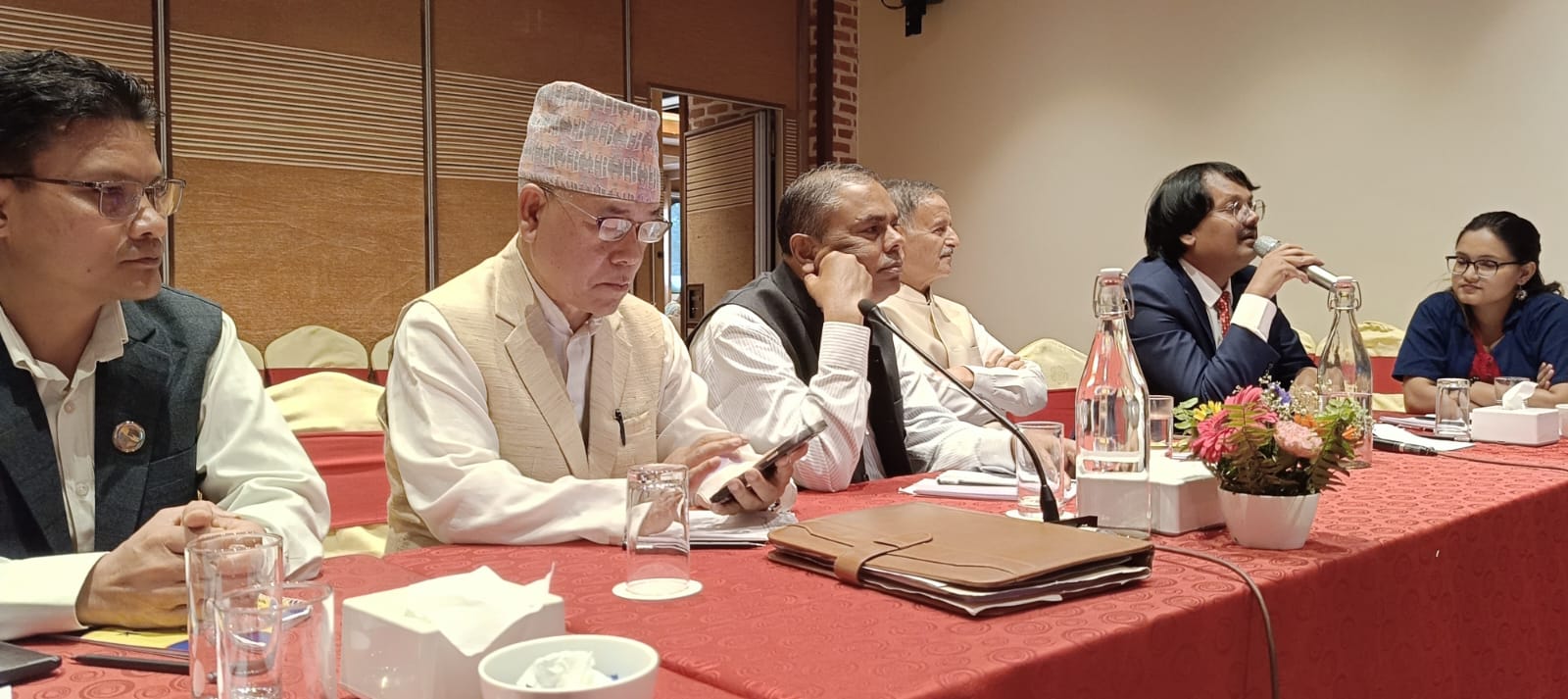
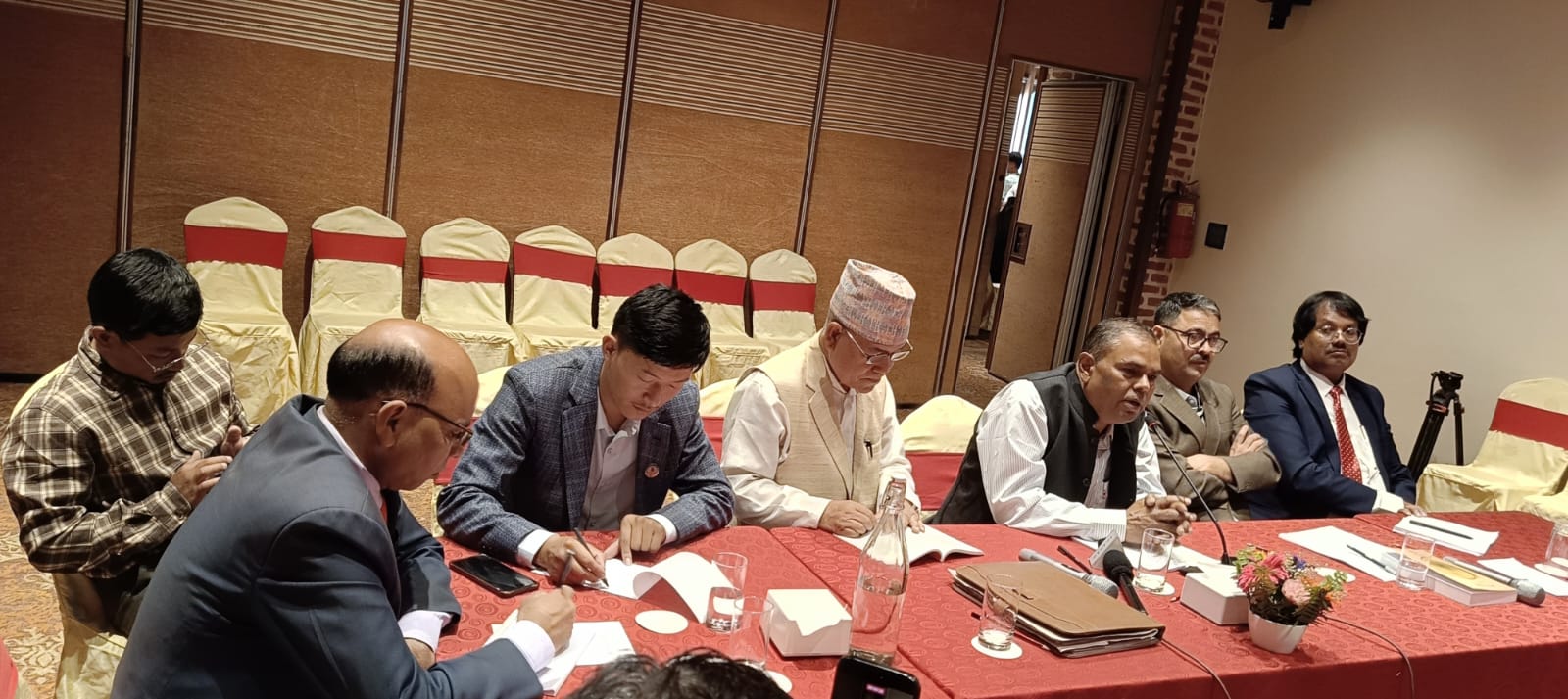
Following the opening remarks, senior political leaders shared their reflections on the implementation of federalism and the ongoing constitutional debate. Mr. Prakash Chandra Pariyar, Whip of the Rastriya Swatantra Party (RSP), argued that constitutional amendment requires “evidence and consensus, not merely numbers.” He also acknowledged that democratic forces had “failed to tell our democratic story,” emphasizing the need for stronger public communication on the achievements and constitutional rationale of federalism. Mr. Krishna Prasad Sitaula, senior leader of the Nepali Congress, stressed that discussions on constitutional amendment should be guided by evidence, implementation experience, and broad political consensus rather than short-term political considerations. He emphasized that constitutional reform should strengthen democratic institutions while preserving the constitutional principles that underpin Nepal’s federal system. Mr. Dev Prasad Gurung, senior leader of the Communist Party of Nepal (Maoist Centre), cautioned against unnecessarily reopening settled constitutional principles such as federalism and secularism. He argued that reforms should instead focus on improving implementation, institutional effectiveness, and accountability. Mr. Upendra Yadav, President of Janata Samajwadi Party, Nepal, reaffirmed that Nepal’s federal system emerged from decades of political struggle to address exclusion, accommodate diversity, and decentralize state power. He warned that “if we lose federalism, we risk losing inclusion, democracy, and ultimately the Constitution itself,” arguing that the priority should be to strengthen provincial institutions rather than weaken them. Dr. C.K. Raut, President of the Janamat Party, observed that constitutional amendment is a legitimate democratic process but stressed that “constitutional amendment is not the problem; abandoning the Constitution is.” He further emphasized that supporters of federalism must adapt to an information environment shaped by digital platforms and algorithms by producing accessible, evidence-based content capable of engaging younger generations. Mr. Aren Rai, Chief Whip of the Shram Swikriti Party, highlighted the importance of constructive parliamentary engagement and informed public discourse in strengthening the implementation of federalism.
A central theme throughout the dialogue was the growing disconnect between public perception and the actual functioning of provincial governments. Participants noted that provinces continue to be portrayed as financially burdensome despite evidence indicating that they account for only a limited share of public expenditure. Reflecting this concern, Majid Ansari argued that “the debate should not be about whether provinces are expensive, but about whether the federal government is expensive.” Participants also observed that public discourse has increasingly been shaped by selective information and misinformation, particularly through social media, while insufficient efforts have been made to communicate the developmental contributions and constitutional rationale of federalism.
Several participants, including Aditi Sah, emphasized that constitutional amendment should be informed by evidence, implementation experience, and broad political consensus. She stressed that constitutional reform should be “based on evidence-based progress,” while participants generally agreed that constitutional amendment remains a legitimate democratic process but cautioned against reopening fundamental constitutional principles without clear justification.
Youth participants highlighted a generational shift in public priorities. They observed that many young people evaluate federalism primarily through the lens of development outcomes, public service delivery, and employment rather than constitutional design. Participants argued that this places greater responsibility on political institutions to demonstrate how federalism contributes to citizens’ daily lives and to communicate its achievements more effectively.
The dialogue also explored the political and institutional obstacles that continue to constrain effective federal implementation. Participants observed that centralized administrative practices, incomplete devolution of powers, and weak intergovernmental coordination have limited the ability of provincial governments to exercise their constitutional responsibilities fully. There was broad agreement that future reforms should focus on strengthening the effectiveness, efficiency, and accountability of federal institutions rather than weakening the federal framework itself.
The program was moderated by Prakash Pantha, Executive Director of FLC. Prahlad Lamichhane and Krishan Kumar Sah provided overall management of the event. The report was prepared by Prahlad Lamichhane.


Dialogue List
-
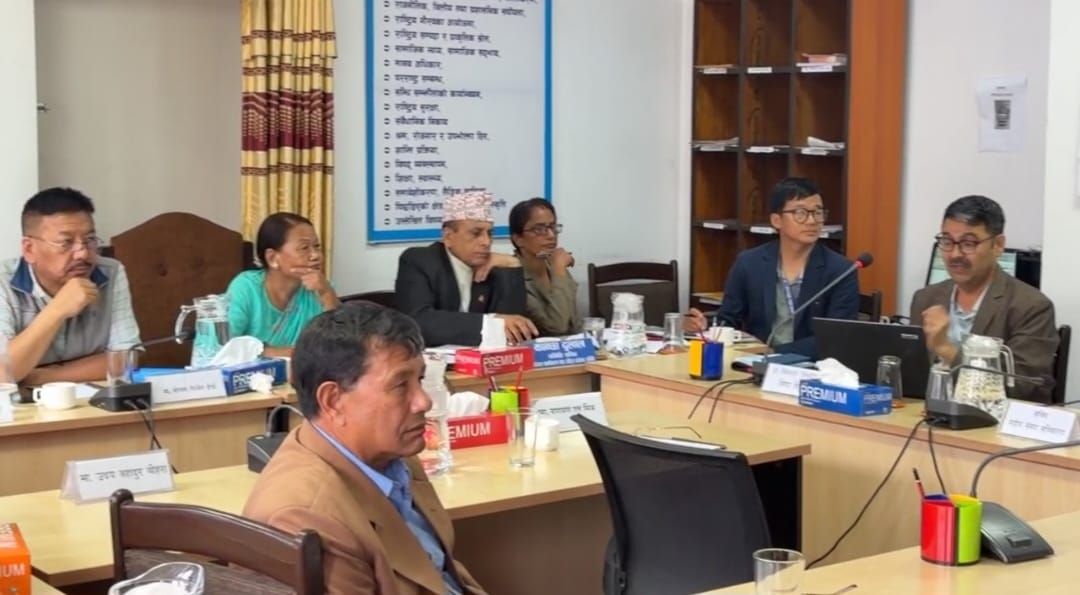
FLC Chairperson Delivers Prese...
2026-09-12
-
Federalism Awareness and Youth...
2026-08-25
-
Strengthening Federalism Throu...
2026-08-23
-
Federalism: Constitutional Ame...
2026-08-21
-
Discussion Held on the Federal...
2026-06-19