Dialogue Details
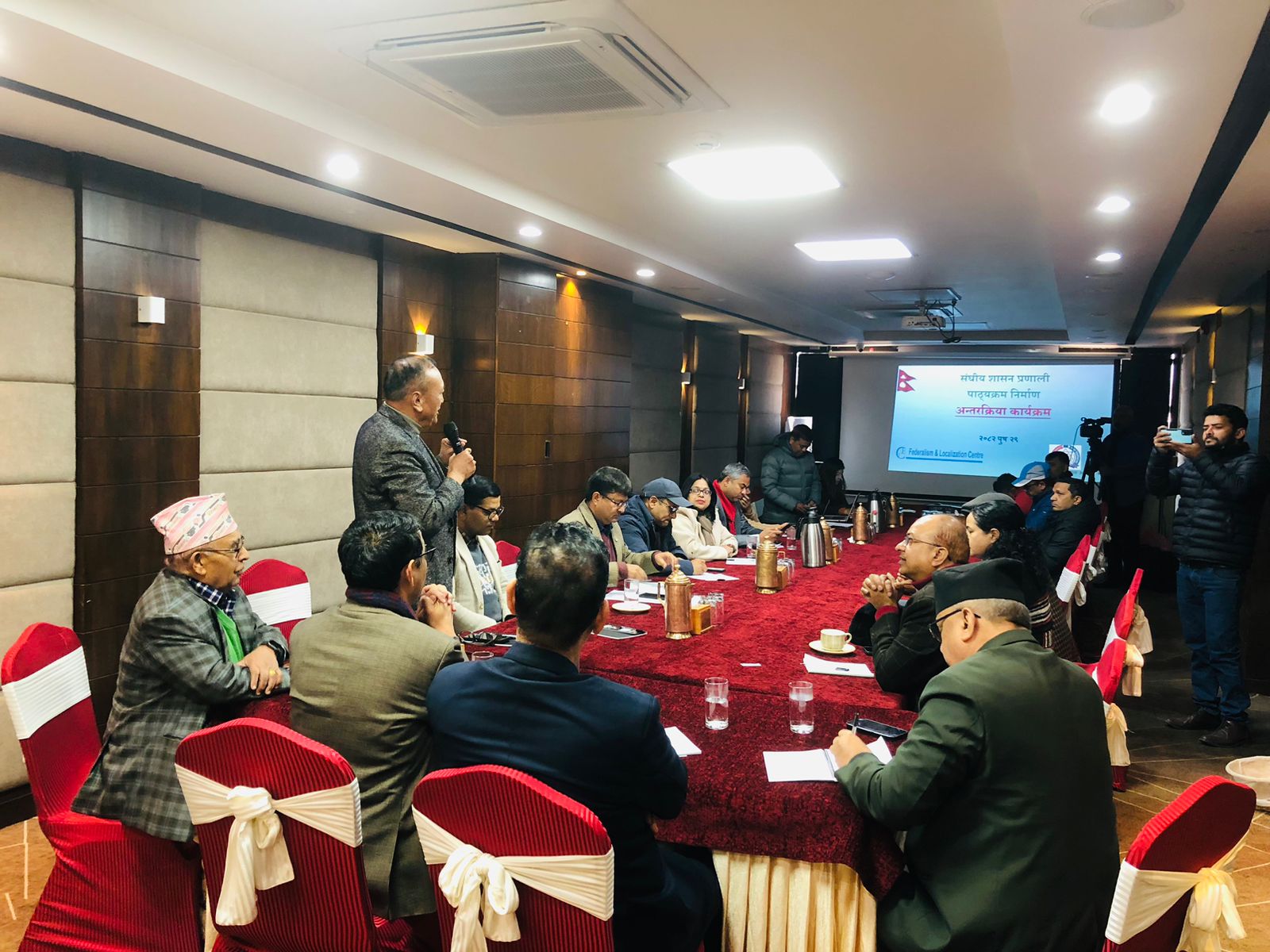
Preliminary Interaction Program for Federalism Curriculum Development
Preliminary Interaction on Federalism Curriculum Development
Kathmandu | 13 January 2026
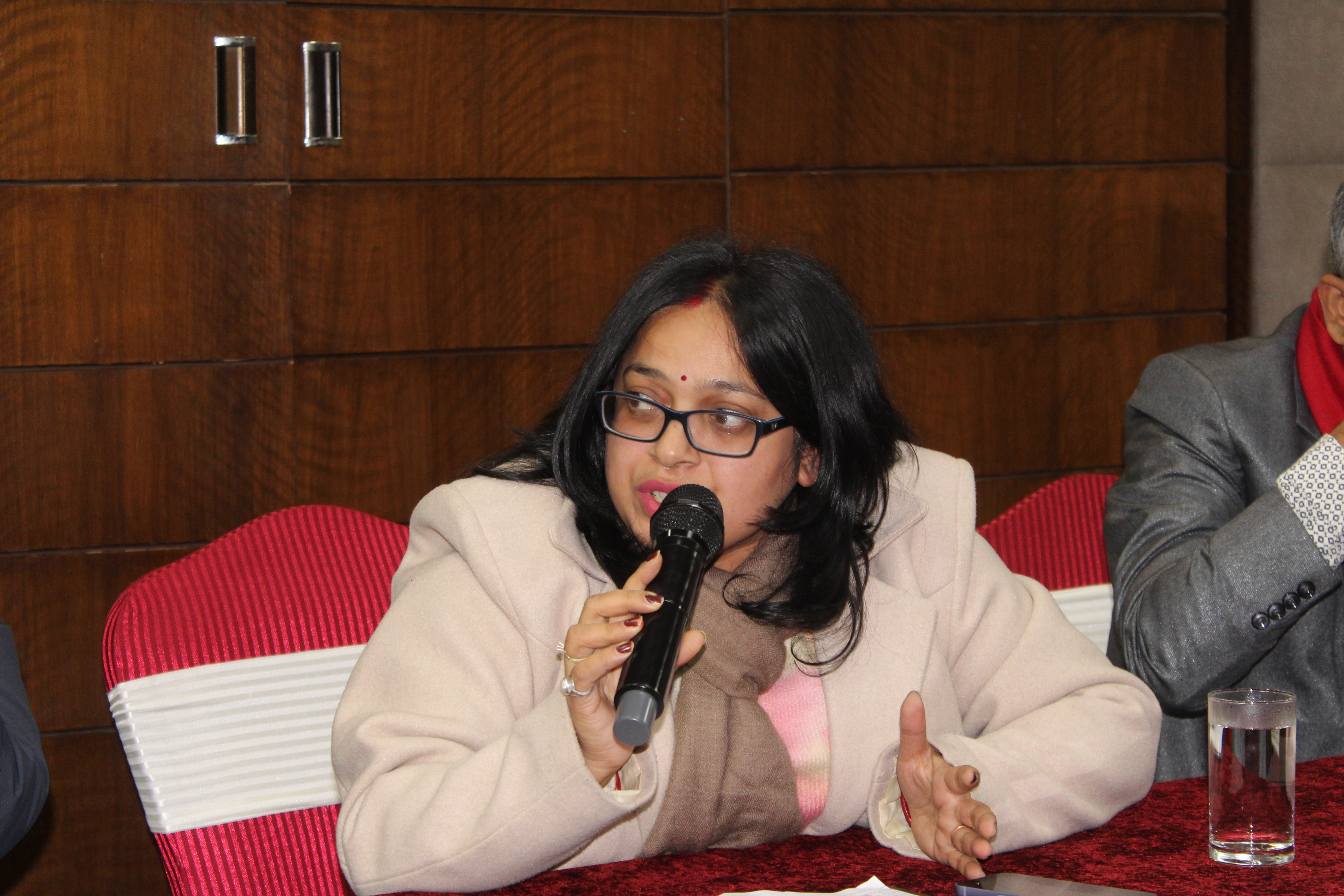
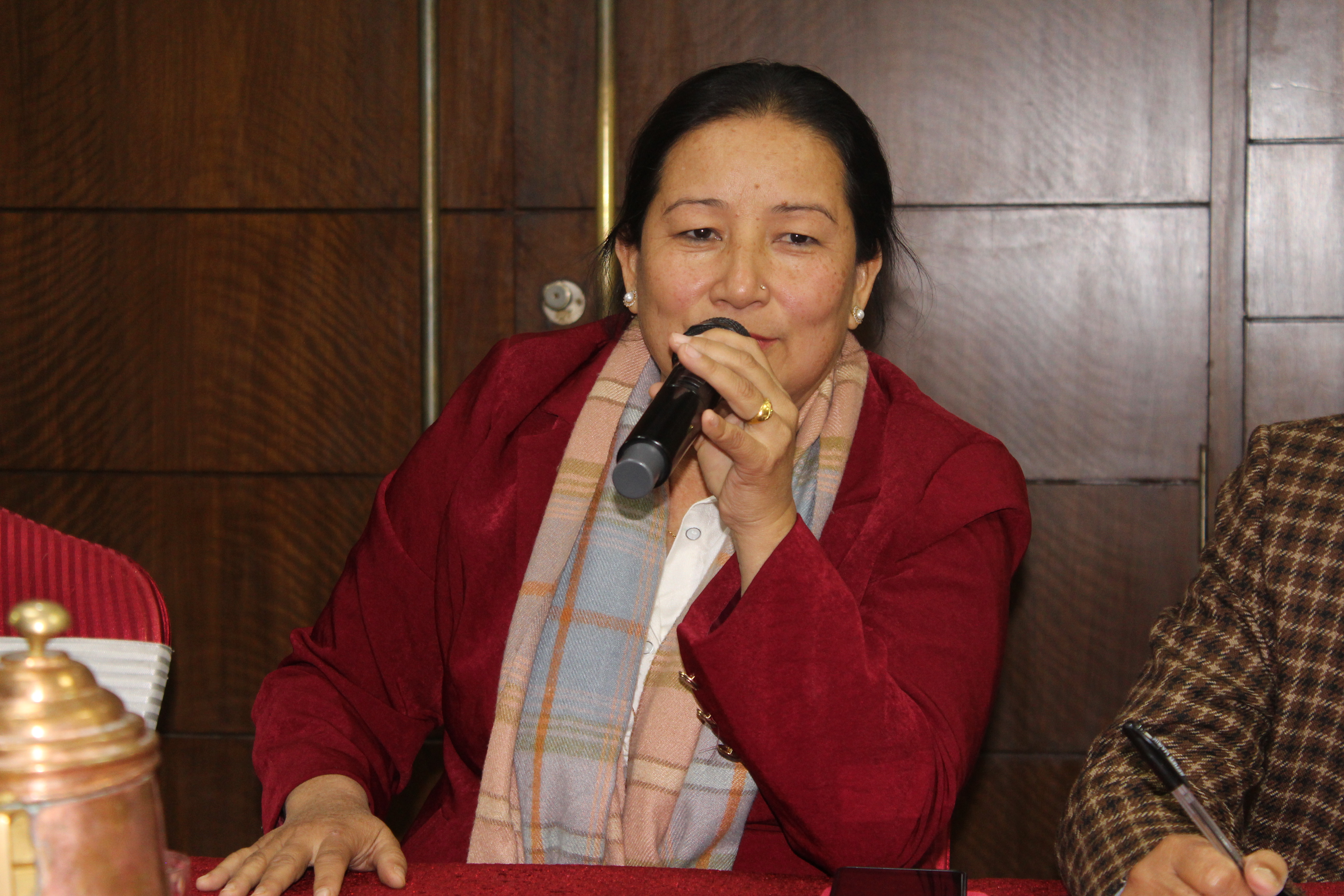
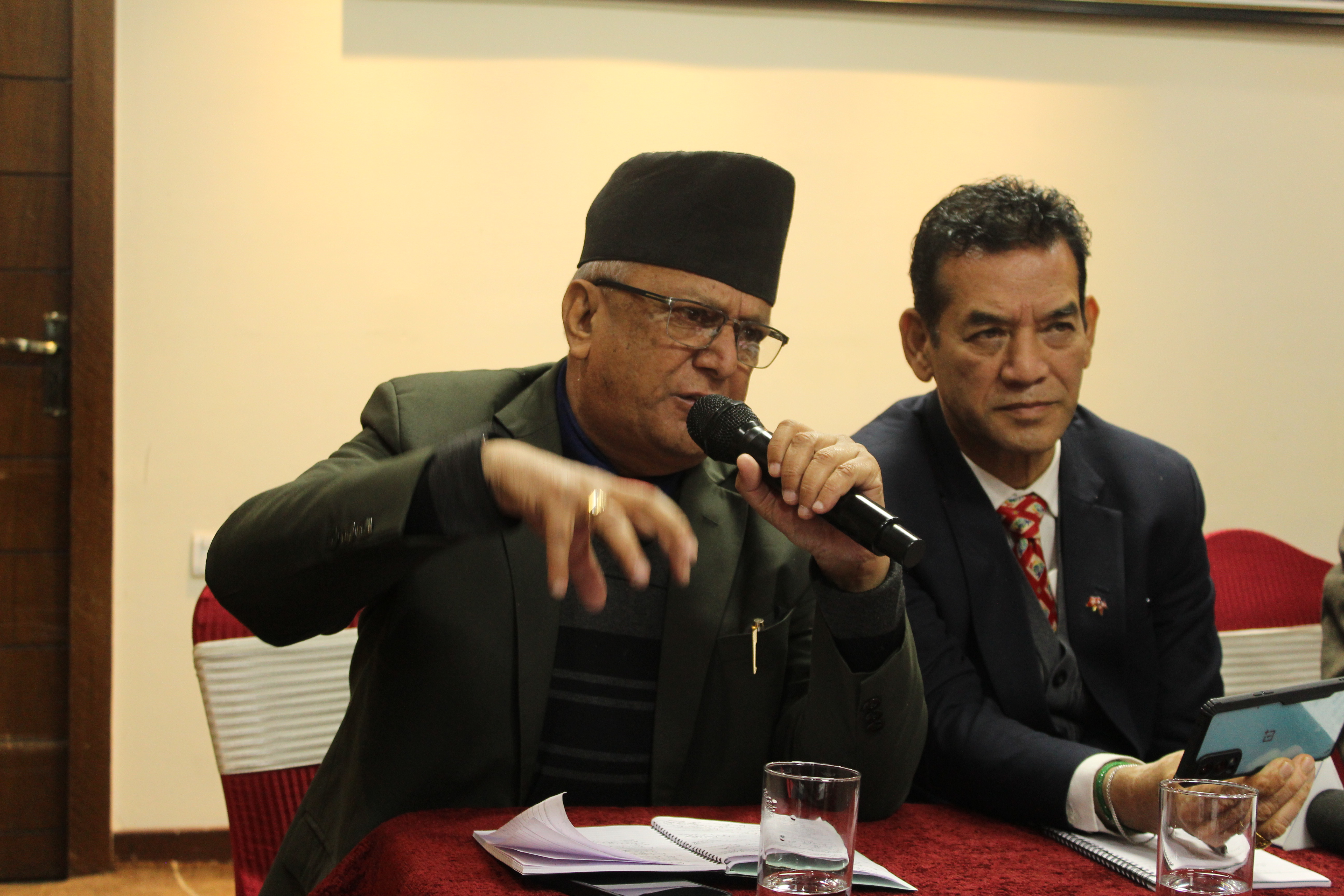
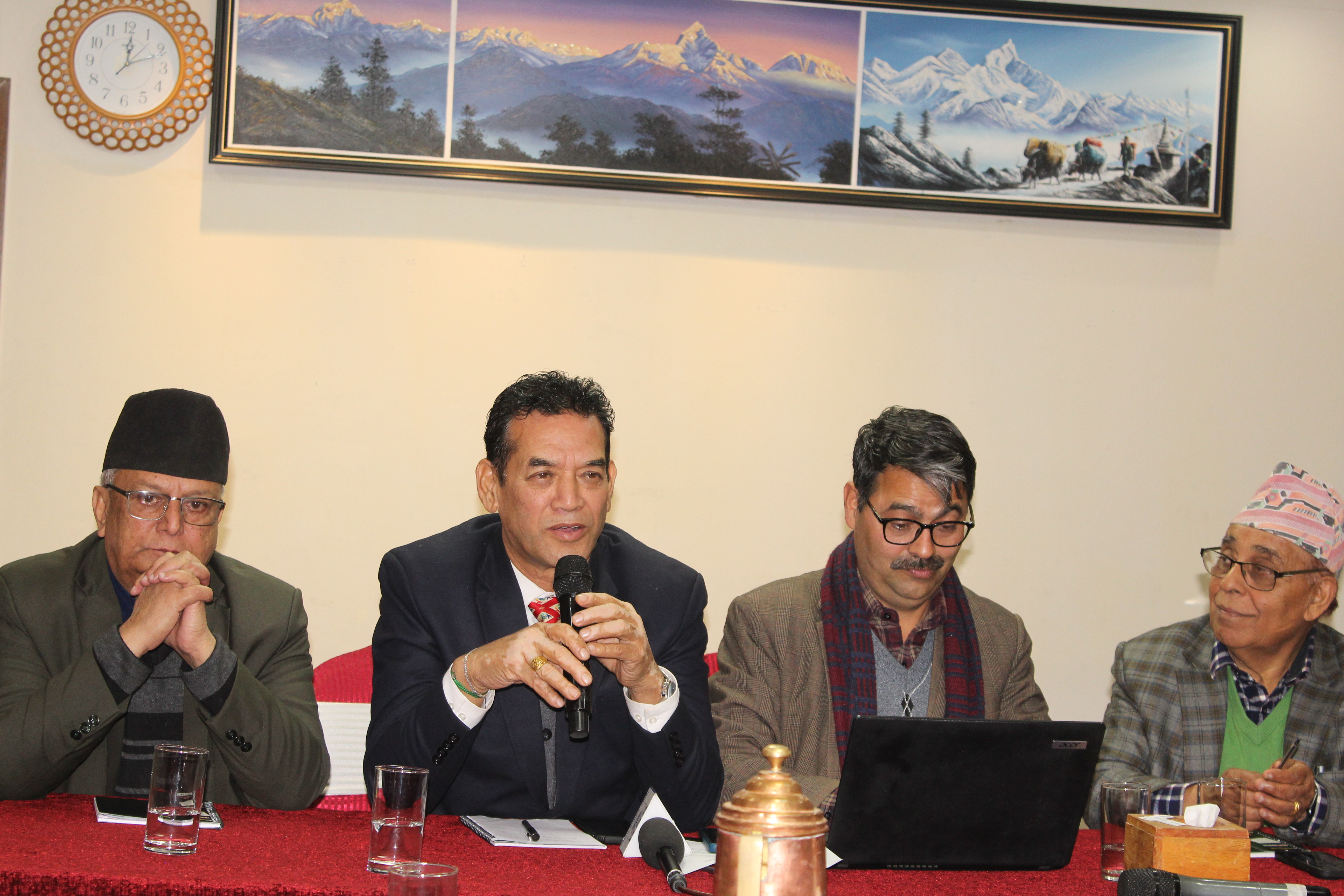
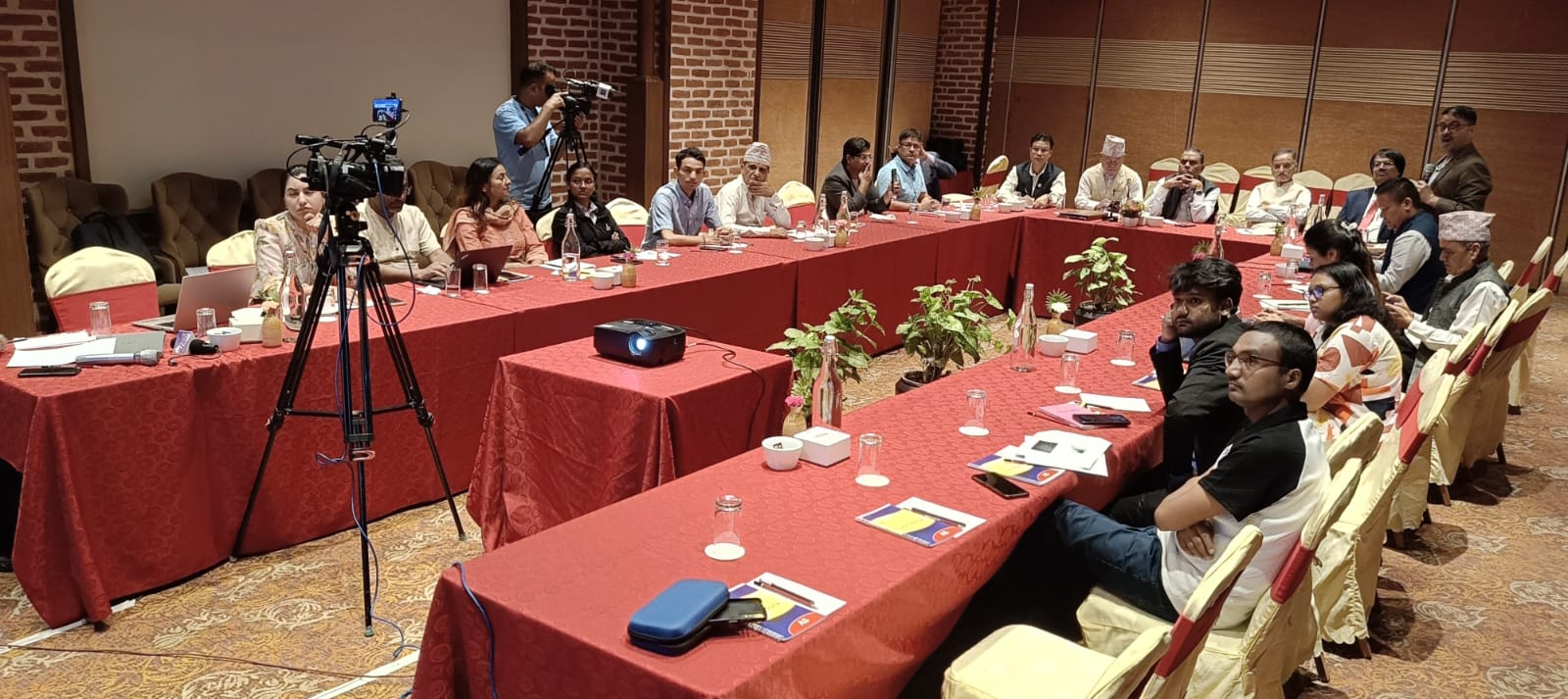
The Federalism and Localization Center (FLC), in collaboration with the Institute of Federalism at Madhesh University, organized a preliminary interaction program on 13 January 2026 in Kathmandu. The objective of the program was to gather expert inputs for the development of a comprehensive academic curriculum on federalism to support teaching, learning, and research in Nepal. The session was chaired by Dr. Deepak Shakya, Vice Chancellor of Madhesh University, and co-chaired by Dr. Khimlal Devkota, Chairperson of FLC and the Institute of Federalism.
Dr. Deepak Shakya reflected on the challenges faced by Madhesh University as Nepal’s youngest university, including persistent discrimination in higher education. He noted that the province was compelled to establish its own universities due to systemic barriers within existing affiliation structures. Emphasizing academic autonomy, he argued that the federalism curriculum must be grounded in local realities and designed to produce leaders rather than clerks.
Dr. Shakya reiterated that federalism in Nepal was achieved through struggle and sacrifice, particularly for dignity and ownership, and must now be nurtured and institutionalized through education. He indicated that the program would initially begin at the master’s level and gradually expand. The interaction concluded with a commitment to develop a clear roadmap through continued consultation, with the next interaction program scheduled to be held in Birgunj.
In his opening remarks, Dr. Khimlal Devkota situated Nepal’s federal journey within the broader historical struggle for dignity, identity, and inclusion, particularly rooted in the Madhesh movement and other identity-based movements. Drawing comparative insights from international experiences, he emphasized that federalism must be understood not only as a political arrangement but as a lived institutional system. He underscored the responsibility of academia to transform federalism from constitutional text into practice through research, education, and policy engagement.
Participants from academia, government, law, security institutions, media, and civil society engaged in a substantive discussion on the structure, content, and orientation of a federalism curriculum that is contextually grounded, practice-oriented, and nationally relevant.
Key Thematic Insights
1. Rationale and Foundational Principles
A strong consensus emerged that the curriculum must be historically grounded. Participants emphasized that the Madhesh movement represents the genesis of federalism in Nepal, alongside contributions from the Maoist uprising and broader democratic struggles. The curriculum should therefore include the evolution of federalism in Nepal, highlighting figures such as Gajendra Narayan Singh and the socio-political movements that shaped the federal agenda.
Speakers repeatedly noted a significant academic gap: while federalism is touched upon in law and political science courses, no Nepali university currently offers a comprehensive, standalone program on federalism. Madhesh University’s initiative was widely recognized as a timely and necessary intervention to fill this void.
Another recurring theme was the persistence of a “centralized mindset,” which continues to undermine federal implementation. Participants stressed that education is a key instrument for shifting institutional and bureaucratic attitudes, fostering ownership at provincial and local levels, and embedding federal practices across governance systems.
2. Curriculum Design and Content
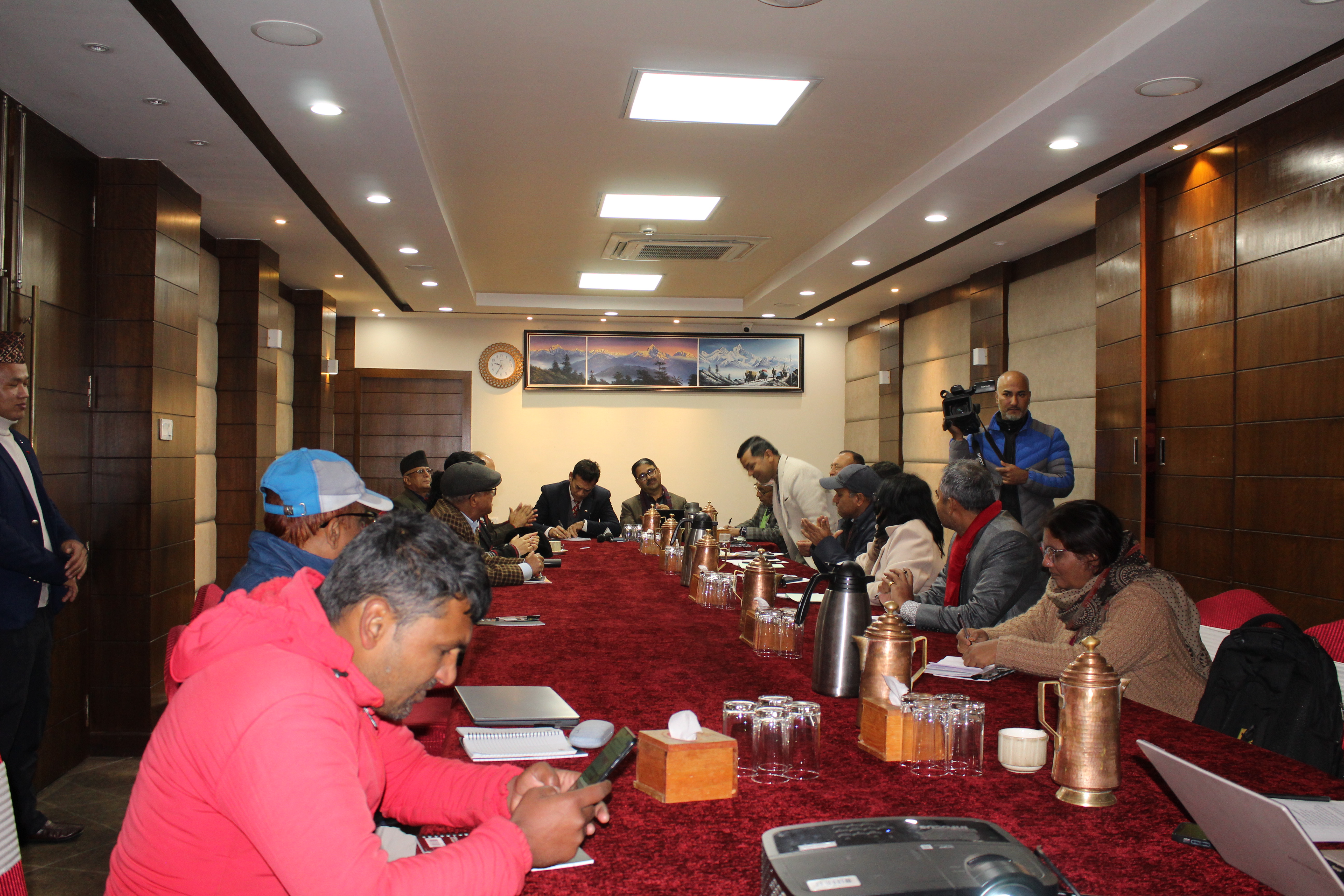
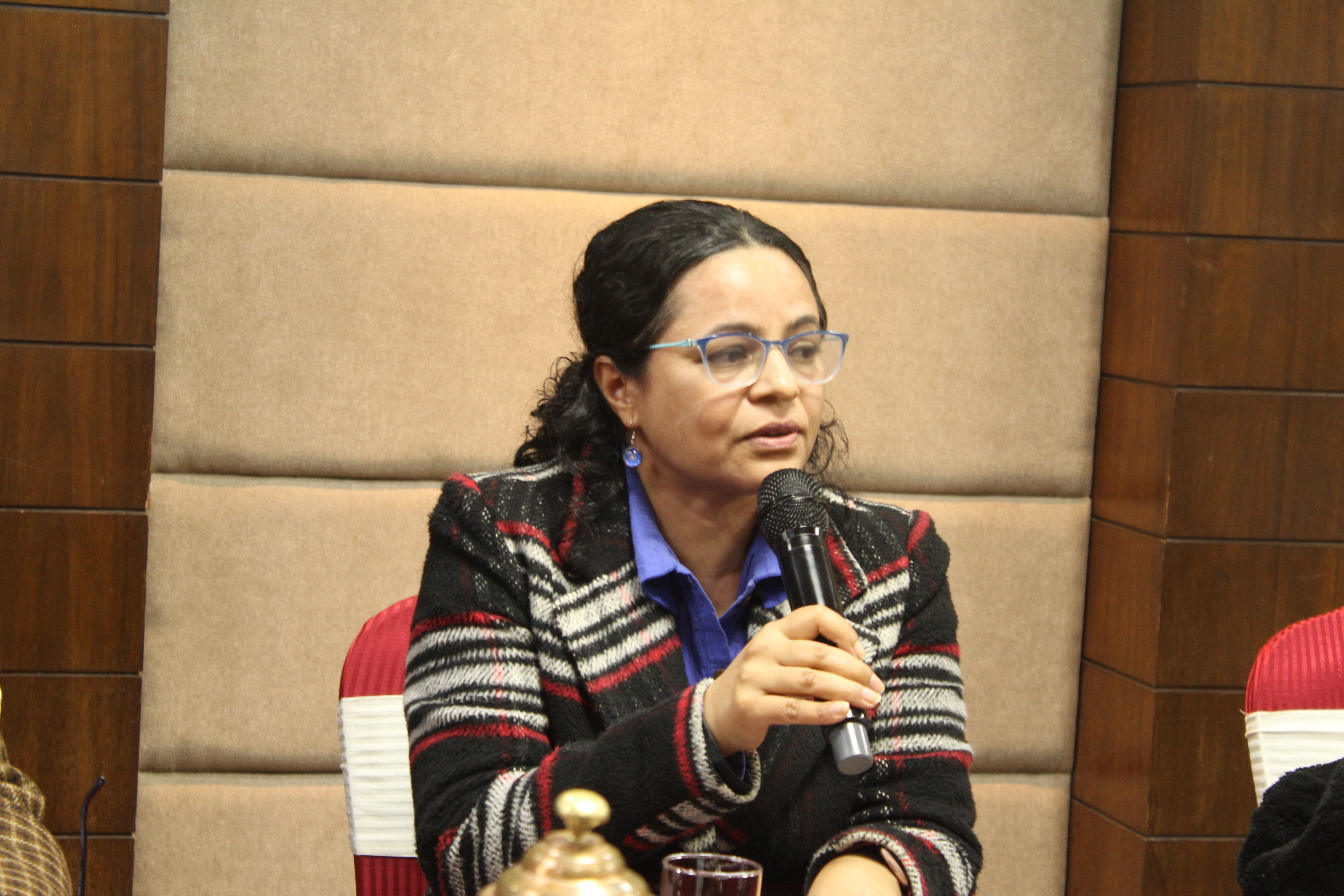
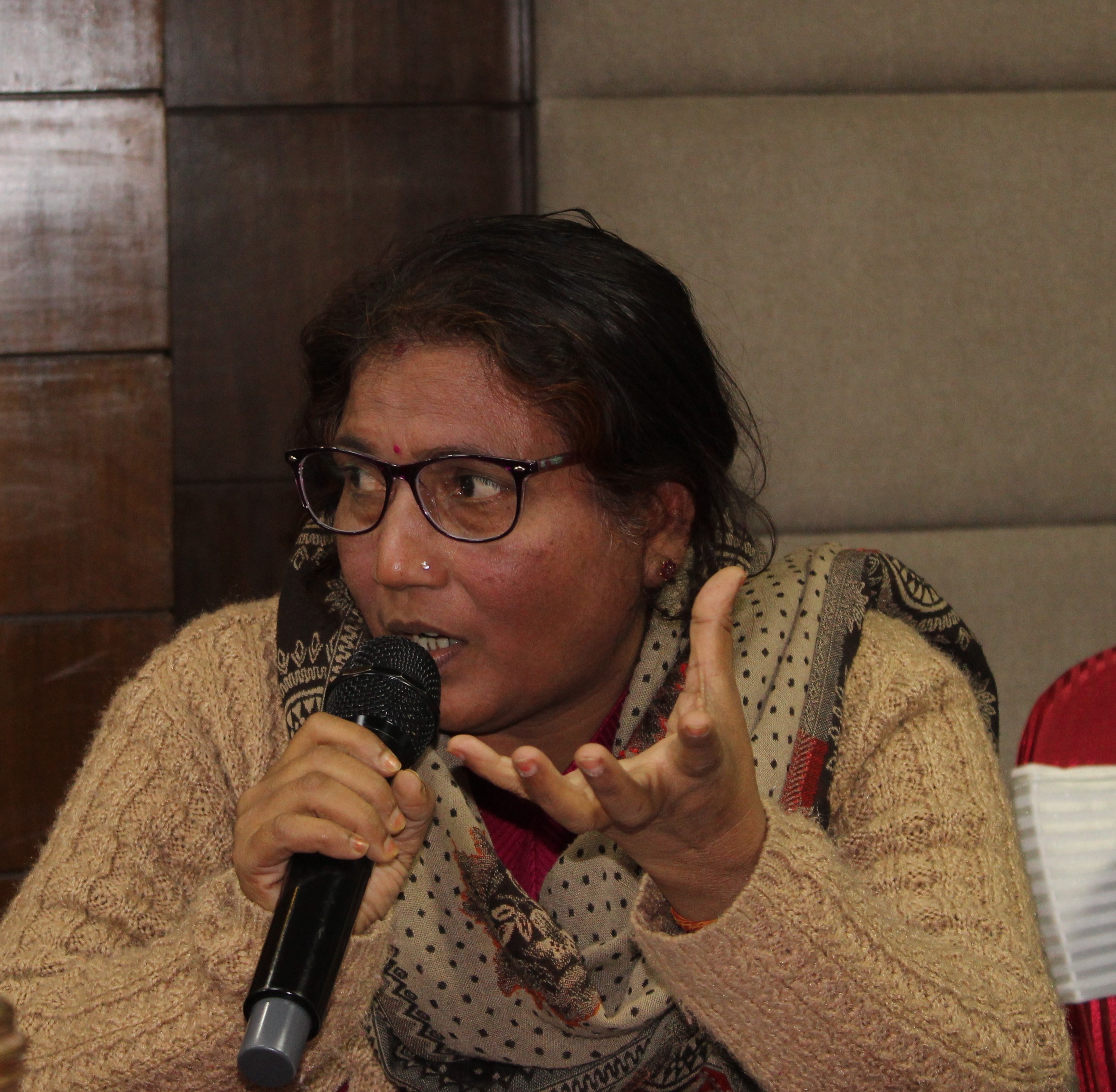
Participants recommended that the curriculum be comprehensive and multi-dimensional, covering political, fiscal, social, cultural, linguistic, and administrative aspects of federalism. The course should go beyond theory to address practical issues such as intergovernmental relations, conflict management, revenue mobilization, taxation, service delivery, and sustainable development.
A tiered academic structure was proposed. Basic concepts of federalism, including Asian perspectives, could be introduced at the undergraduate level (and even at +2 or school levels), while master’s and doctoral programs should focus on regional experiences, comparative analysis, and applied research.
Key content areas identified include:
· Constitutional mandates, division of powers, and functional unbundling
· Fiscal federalism, public finance, and gender-responsive budgeting
· Comparative federal models (e.g., India, USA, Germany), including strengths and limitations
· Parliamentary studies, with a focus on the functioning of provincial assemblies
· The role of local government as an integral pillar of federalism
· Inclusion, equity, and representation of Dalits, Muslims, women, and marginalized groups
· Evidence-based analysis to counter misconceptions, such as the claim that federalism is excessively expensive
· Employability and career pathways, integrating internships, case studies, and applied research
Several participants highlighted that Auditor General reports and empirical evidence contradict the narrative that federalism is financially unsustainable. Strengthening research-based discourse was therefore seen as essential.
3. Pedagogy and Institutional Framework
The discussion strongly favored practice-oriented learning. Provincial and local governments were proposed as “living laboratories” where students can gain hands-on experience in federal governance. Teaching methods should emphasize applied learning, comparative legal studies, and documentation of best practices.
Participants stressed that curriculum development must be expert-driven, supported by broad stakeholder consultation, and benchmarked against international university practices while remaining rooted in Nepal’s realities. Federalism programs should be housed in appropriate academic schools, such as law, public policy, or governance studies, with clarity on whether the primary focus is teaching, research, or both.
Madhesh University was encouraged to position itself as a national hub for federalism research and policy dialogue. While the curriculum would have nationwide relevance, participants emphasized that primary stakeholders should be from Madhesh, given its historical and political significance in Nepal’s federal transformation.
Cross-Cutting Concerns
Several speakers highlighted that inclusion remains a major challenge within federal structures. Despite political change, Dalits, Muslims, women, and marginalized communities continue to face barriers to meaningful participation, particularly in Madhesh Province. The curriculum should therefore integrate social justice, equity, and representation as core analytical lenses.
Employability and market relevance were also emphasized. Universities were urged to produce graduates who are capable of contributing to governance, policy analysis, development practice, and entrepreneurship, rather than limiting outcomes to clerical roles. Participants cautioned that students should not feel discouraged after completing the program and should see clear career pathways.
Facilitation of the Program
Mr. Prahlad Lamichhane, Constituent Assembly Member and Program Director of FLC, delivered the welcome remarks, emphasizing the urgent need for systematic academic engagement with federalism to strengthen its implementation. The program was facilitated, and this report prepared by Mr. Krishnakumar Sah, Senior Program Coordinator of FLC.
Dialogue List
-
FLC Chairperson Delivers Prese...
2026-09-12
-
Federalism Awareness and Youth...
2026-08-25
-
Strengthening Federalism Throu...
2026-08-23
-
Federalism: Constitutional Ame...
2026-08-21
-
Province Structure in the Impl...
2026-06-30